Mon to Sat: Morning 10:00 AM to 02:00 PM, Evening 05:30 PM to 08:00 PM
Welcome to Dr Popli’s Dental Clinic And Implant
Centre
Teeth Whitening
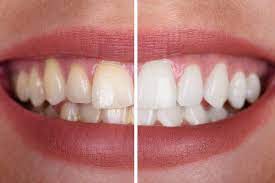
Teeth whitening is a cosmetic dental procedure aimed at lightening the color of your teeth and enhancing their appearance. It is a popular treatment option for individuals who desire a brighter, whiter smile. Here's an overview of teeth whitening:
-
Professional Teeth Whitening: Professional teeth whitening is typically performed by a dentist or dental hygienist in a dental office. It involves the use of professional-grade whitening agents to achieve optimal results. The most common method used is a hydrogen peroxide or carbamide peroxide-based gel that is applied directly to the teeth. The gel is typically activated by a special light, heat, or laser to accelerate the whitening process. The procedure is usually performed in a single visit, but in some cases, multiple appointments may be required to achieve the desired level of whitening.
-
At-Home Teeth Whitening: At-home teeth whitening options are available, including over-the-counter whitening kits and products provided by dentists. Over-the-counter whitening kits usually include whitening gels or strips that contain a lower concentration of whitening agents compared to professional treatments. Dentist-provided at-home whitening kits may involve custom-fitted trays that are filled with a professional-grade whitening gel. These trays are worn for a specified duration each day over a period of several days or weeks.
It's important to note that the effectiveness of teeth whitening can vary depending on factors such as the severity of tooth discoloration, the cause of discoloration, and the type of whitening method used. Additionally, teeth whitening treatments are generally more effective at removing surface stains caused by factors like food, beverages, and tobacco use. They may be less effective at lightening intrinsic stains that are deeper within the tooth structure or caused by factors like dental trauma or certain medications.
It's advisable to consult with a dentist before pursuing teeth whitening to ensure you are a suitable candidate and to discuss the most appropriate treatment option for your specific case. Your dentist will evaluate your oral health, examine the condition of your teeth, and help you understand the potential results and any potential risks or side effects associated with the treatment.
Teeth whitening is generally considered safe when performed under professional supervision and according to the recommended guidelines. However, some individuals may experience temporary tooth sensitivity or gum irritation during or after the treatment. These effects are usually mild and resolve on their own.
It's important to note that teeth whitening is not a permanent solution, and the results can gradually fade over time due to natural aging and exposure to staining substances. Maintaining good oral hygiene practices, limiting the consumption of staining foods and beverages, and avoiding tobacco use can help prolong the effects of teeth whitening.
Remember, each individual's teeth whitening journey may vary, so it's best to consult with a dental professional who can provide personalized guidance and recommendations based on your specific needs and goals.